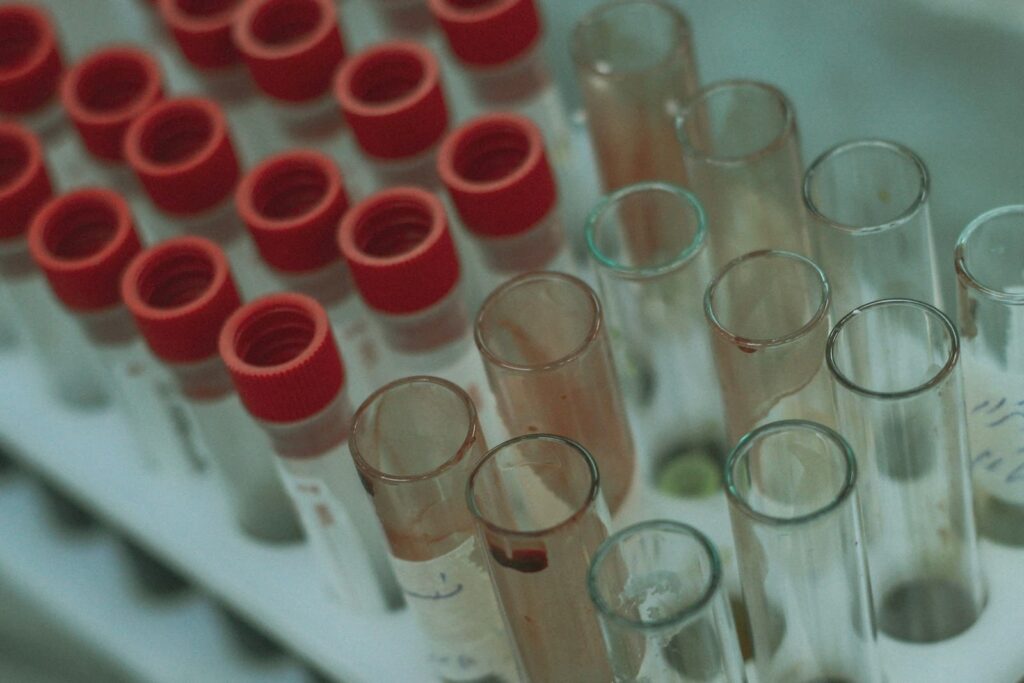
The best time for an HIV test after PEP is around 4–6 weeks after the exposure, with a final check at about 3 months. Testing earlier than that can give a negative result that is not yet reliable, because the PEP medicines may slow down the signs a test looks for.
This guide explains the follow-up schedule, which test to use at each point, and when you can trust a negative result. Your doctor will confirm the exact plan for your situation.
Why testing after PEP works differently
PEP is a 28-day course of HIV medicines that tries to stop the virus from taking hold. It works best when started within hours of an exposure, and it must be started within 72 hours.
Because PEP is made of antiretroviral medicines, it can hold back the virus even in the rare case that PEP does not work. That can delay the point where a test turns positive. This is the main reason doctors ask you to wait before your final test.
The baseline test comes first
Before PEP starts, you should have a baseline HIV test. It shows your status at the start, so any later result can be compared with it.
If you have not had one yet, read our step-by-step plan for the first 72 hours after a condom breaks.
When to test after PEP: the follow-up schedule
Guidelines differ slightly between countries. Some count from the day of the exposure, others from the day you finish PEP. The table below uses the common approach that most doctors follow, but your doctor will set your own dates.
Follow-up HIV testing schedule after PEP
| Time point | What happens | Why it matters |
|---|---|---|
| Day 0 (before PEP) | Baseline HIV test, often with other blood tests | Confirms your starting status |
| During the 28 days | Usually no HIV test unless symptoms appear | PEP can hide early signs of HIV |
| About 4–6 weeks | First follow-up HIV test | Picks up most infections early |
| About 3 months | Final follow-up HIV test | The result most doctors treat as conclusive |
| Any new risk | Tell your doctor | Your testing clock may need to restart |
The US government's overview of HIV test types and window periods explains why timing matters so much. In the UK, the BHIVA and BASHH PEP guideline also covers baseline and follow-up testing.
Which test should you take after PEP?
There are three main types of HIV test. Each one looks for something different and has a different window period.
After PEP, a lab-based 4th-generation test is the usual choice. Your doctor may add other tests if you have symptoms or a higher-risk exposure.
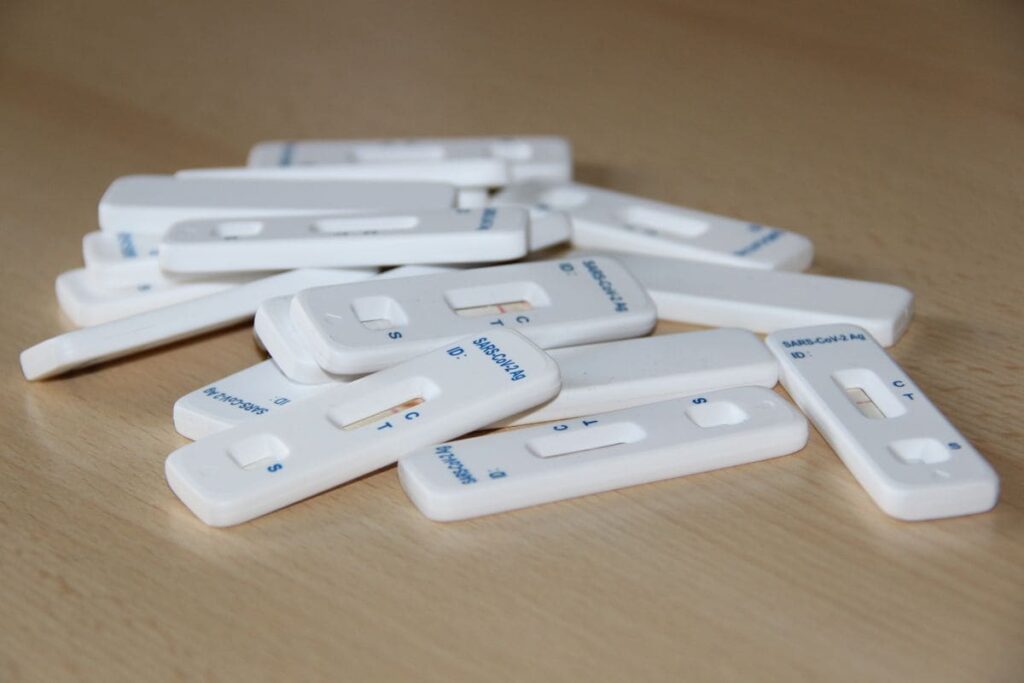
HIV test types after PEP: pros and cons
| Test type | What it detects | Pros | Cons after PEP |
|---|---|---|---|
| 4th-generation (lab blood test) | Antibodies and p24 antigen | Accurate, widely available, standard choice | Needs the full waiting time after PEP |
| Rapid test (finger-prick) | Mostly antibodies | Result in minutes, good for baseline | Longer window period; less sensitive early on |
| PCR / NAT (viral RNA) | The virus itself | Can find very early infection | PEP can suppress the virus; not a stand-alone final test |
What about a PCR test after PEP?
Many people search for an HIV PCR test after PEP, hoping for a faster answer. PCR looks for the virus directly, so in normal situations it can find HIV earlier than other tests.
But PEP medicines can push the virus down, which means a PCR test during or soon after PEP may miss it. Doctors sometimes use PCR alongside a 4th-generation test, but not instead of the final check.
How accurate is an HIV test after PEP?
A 4th-generation lab test taken at the right time is very accurate. The main thing that lowers accuracy is testing too early.
A negative result at 4–6 weeks is a good sign and most infections show up by then. The test at about 3 months is the one that closes the question for that exposure, as long as there were no new risks.
When is a result "conclusive"?
Most doctors treat a negative 4th-generation result at about 3 months as conclusive. Some guidelines accept an earlier final test when it falls a set number of weeks after PEP ends.
Because the rules vary, ask your doctor which date counts as final for you. Write it down so you are not left guessing.
Symptoms after PEP
Tiredness, a sore throat or a mild fever can happen for many reasons, including side effects or a normal cold. They are not proof of HIV.
Still, tell your doctor if you have a flu-like illness, swollen glands or a rash in the weeks after PEP. They may test you sooner. Our guide to normal and worrying PEP side effects explains what to watch for.
Testing while you are still on PEP
Most people do not need an HIV test during the 28-day course. A test at this stage can be falsely reassuring.
If you are part-way through, focus on taking every dose. Our guide to the 28-day PEP course week by week covers routines and missed doses.
HIV testing after PEP on Koh Samui
If you started PEP here, you can do your follow-up tests with us on the island. Our follow-up support service is built around these check-ins.
Many visitors fly home before the 3-month test. That is fine. Ask for a written record of your baseline result and PEP start date, then book the later test with a clinic at home.
If you have other worries after an exposure, you may also want a full HIV and STI testing check on Koh Samui. For a wider look at test types, see our guide to rapid, 4th-generation and PCR HIV tests on Koh Samui.

Thinking about the future
If you have needed PEP more than once, daily PrEP might suit you better. Read about how PEP compares with PrEP and condoms or learn more about HIV PrEP on Koh Samui.
Frequently asked questions
How soon after finishing PEP can I test?
Most doctors suggest a first test around 4–6 weeks after the exposure and a final test at about 3 months. Your doctor may adjust this depending on the guideline they follow.
Can I trust a negative test 2 weeks after PEP?
It is a good sign, but it is not final. PEP can delay a positive result, so you still need the later follow-up test.
Is a PCR test after PEP better?
Not on its own. PEP can suppress the virus, so PCR is used alongside a 4th-generation test, not instead of it.
What if I had sex again during or after PEP?
Tell your doctor. A new risk may change your testing dates, and you may need new advice about PEP or PrEP.
Can I do my follow-up test in another country?
Yes. Take a written record of your baseline test and PEP dates, and book a 4th-generation test with a clinic at home.
Need an HIV test after PEP on Koh Samui?
We offer confidential follow-up HIV testing and can talk you through your results in plain language. If you have a new exposure, remember that PEP must be started within 72 hours — the sooner the better.
Message a doctor privately on WhatsApp to book your follow-up HIV test.