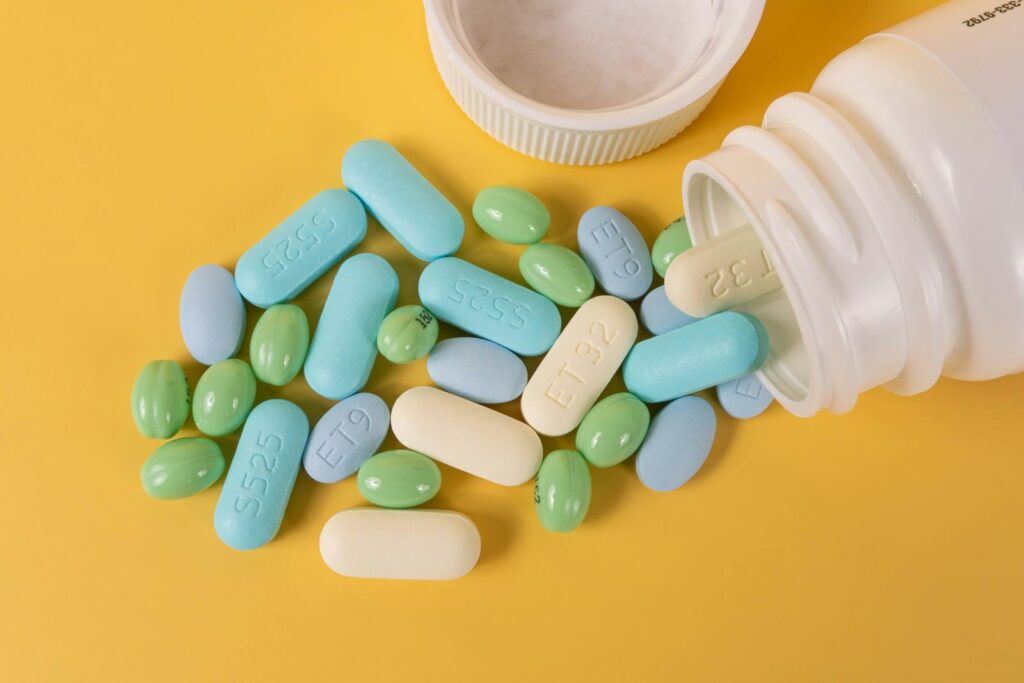
PEP effectiveness within 72 hours is high, but it's greatest when you start as early as possible and take every dose for the full 28 days. Every hour counts, so if your exposure was recent, stop reading and contact a doctor now: PEP must be started within 72 hours — the sooner the better.
If you're already on PEP, this guide explains what the evidence shows, why real PEP failures are rare, and the few things that can lower protection. No medicine can promise complete protection, and a doctor will assess your own situation.
What the evidence says about PEP
PEP (post-exposure prophylaxis) is a 28-day course of HIV medicines. It aims to stop HIV from taking hold in the body after a possible exposure.
The US CDC's clinical overview of PEP describes an early study of health care workers after needlestick injuries. It found an 81% reduction in HIV infection among those who took a single older medicine (AZT), compared with those who took nothing. Today's PEP uses newer, stronger combinations of medicines.
The same CDC page reports that across 15 studies, 2,209 people completed 28 days of PEP. At least 19 were later found to have HIV, but only one case was put down to PEP failure. The others were linked to ongoing risk after PEP, not taking PEP as prescribed, or starting it more than 72 hours after exposure.

Why there's no single "success rate"
You'll see many different percentages online. Most are rough figures from older studies, and none can predict your own outcome.
What matters more is what you can control: how soon you start, and whether you take every dose. Those two things make the biggest difference.
Why the baseline HIV test matters
Before starting PEP, you'll have an HIV test. It checks that you didn't already have HIV from an earlier exposure, because PEP isn't the right treatment for an existing infection.
This is also one reason a doctor should always prescribe PEP. Leftover pills from a friend or an online order skip this safety step, and may not be the right medicines or enough for 28 days.
Which exposures is PEP used for?
PEP is used after condomless sex, a condom breaking, sharing needles or a needlestick injury. A doctor will weigh up the type of exposure and what's known about the other person before recommending it.
Why timing matters so much
HIV doesn't take hold instantly. The CDC notes that it often establishes infection within 24 to 36 hours after exposure, which is why PEP started within hours has the best chance.
That's also why the 72-hour limit exists. After that, PEP isn't usually recommended. If you've already passed it, read our guide to PEP after 72 hours and your next steps.
What to do, depending on how long ago it happened
| Time since exposure | What to do | Why |
|---|---|---|
| 0–24 hours | Contact a doctor now; start PEP as soon as it's prescribed | Best chance of preventing HIV |
| 24–48 hours | Still start today — don't wait until tomorrow | PEP can still work well |
| 48–72 hours | Go today; the window is closing | PEP is still an option |
| Over 72 hours | Talk to a doctor about testing and future prevention | PEP isn't usually recommended |
Our step-by-step plan for the first 72 hours after a condom breaks explains each step in more detail.
What raises or lowers PEP effectiveness
Most things that affect PEP are within your control. This table sums them up.
Factors that raise vs lower PEP protection
| Factor | Raises protection | Lowers protection |
|---|---|---|
| Timing | Starting within hours | Starting late in the 72-hour window, or after it |
| Adherence | Taking every dose, at the same time each day | Missing doses or stopping early |
| Course length | Completing all 28 days | Stopping because of side effects without advice |
| Further exposures | Using condoms or avoiding sex during PEP | New condomless exposures during or after PEP |
| Medical review | Baseline HIV test and doctor-chosen medicines | Using leftover or borrowed pills |
If side effects are a problem, don't stop on your own. Our guide to managing PEP side effects has practical tips, and a doctor can often help.
Can PEP fail?
Yes, PEP can fail, but real failures are rare. As the CDC figures above show, most HIV cases among people who took PEP were linked to things like new exposures or missed doses, not the medicine itself.
That's why follow-up testing matters. Your HIV tests at about 4–6 weeks and about 3 months are what confirm your result. Our guide to HIV testing after PEP explains the schedule.
What if I missed a dose?
Message your doctor as soon as you notice, and tell them how late the dose is. They'll tell you what to do next for your particular medicines.
Don't double up and don't stop the course without advice. The bigger risk is giving up on PEP altogether after one slip.
PEP vs PrEP vs condoms
PEP is an emergency option. If you might be exposed again, other tools protect you before sex rather than after.
How PEP, PrEP and condoms protect you
| Method | When you use it | What it protects against | Best for |
|---|---|---|---|
| PEP | Within 72 hours after a possible exposure | HIV only | Emergencies |
| PrEP | Before and after sex, on an ongoing basis | HIV only | People at repeated risk |
| Condoms | During every act of sex | HIV, many other STIs and pregnancy | Everyone |
Many people move from PEP straight onto PrEP. Our guide to daily, on-demand and injectable PrEP options and our HIV PrEP service explain how that works.
Do side effects mean PEP is working?
No. Side effects, or the lack of them, tell you nothing about whether PEP is working. Plenty of people feel fine and are fully protected.
Feeling ill doesn't mean PEP has failed, either. If you have a fever, rash or swollen glands, tell your doctor so they can decide whether to test sooner.
Coping with the wait
The weeks between finishing PEP and a final result can feel long. Keep your test dates in your phone and try not to test earlier than advised, since an early result can't give a final answer.
PEP on Koh Samui
If you're on Koh Samui, our HIV PEP service can assess you, do a baseline HIV test and start PEP quickly if it's right for you. For what to expect over the month, read our guide to the 28-day PEP course week by week.
Leaving Thailand before day 28? Bring enough medicine for the whole course, and use our follow-up support to plan tests at home.

Frequently asked questions
Does PEP always work?
No medicine is. PEP greatly lowers the chance of HIV when started early and taken fully, and real failures are rare.
Does PEP work if I start it on day 3?
It can, as long as you're within 72 hours. It's likely to work better the earlier you start, so don't wait.
Can PEP fail if I take it perfectly?
It's possible but rare. Follow-up HIV tests are the only way to confirm your result.
Does alcohol make PEP less effective?
Alcohol doesn't stop PEP working, but it makes missed doses more likely. Set a reminder if you'll be out.
Should I start PrEP after PEP?
If you're likely to be exposed again, it's worth discussing. A doctor can switch you straight from PEP to PrEP.
Give PEP its best chance
The two things that matter most are starting fast and finishing the course. PEP must be started within 72 hours — the sooner the better.
Message a doctor privately on WhatsApp to ask about starting PEP.