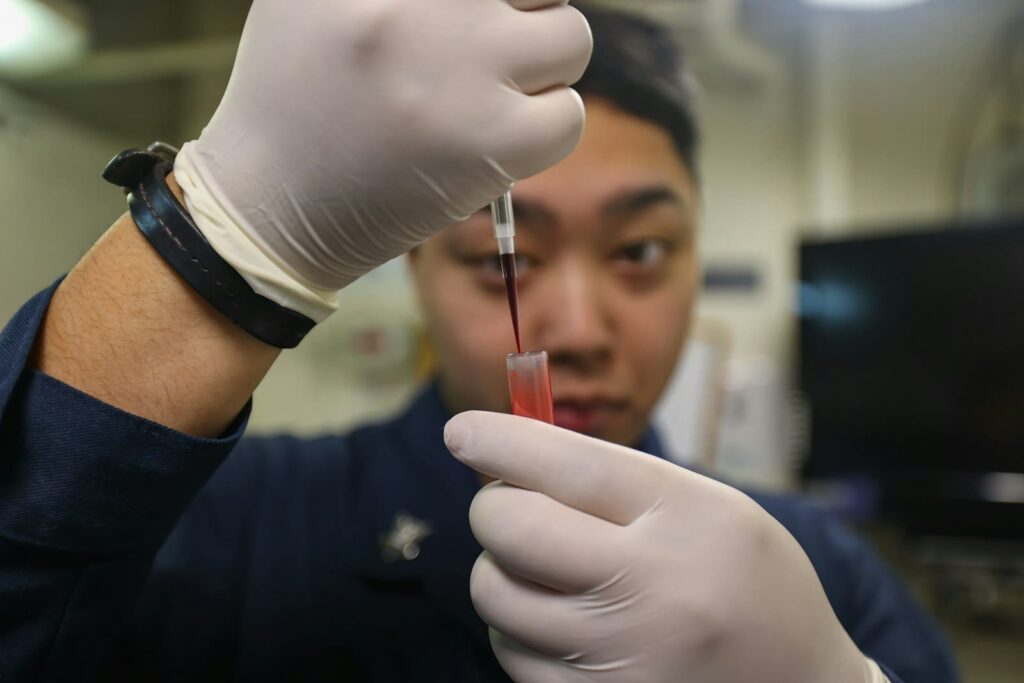
You can get an HIV test on Koh Samui quickly and confidentially, often with a result the same day. The right test depends on how long ago the possible exposure was, because every test has a "window period" before it can reliably detect HIV.
This guide compares rapid, 4th-generation and PCR tests, explains when each one becomes accurate, and gives typical 2026 price ranges. If your exposure was in the last 72 hours, read the PEP note first.
First: was the exposure in the last 72 hours?
If so, an HIV test alone is not enough. A test today cannot show an infection from a day or two ago, but PEP may still prevent HIV if you start in time.
PEP must be started within 72 hours, and the sooner the better. A baseline HIV test is done before starting, so you can do both in one visit. See our HIV PEP service on Koh Samui or our step-by-step plan for the first 72 hours after a condom breaks.
The main types of HIV test
There are three main kinds of HIV test. They look for different signs of infection, which is why they become accurate at different times.
Antibody tests
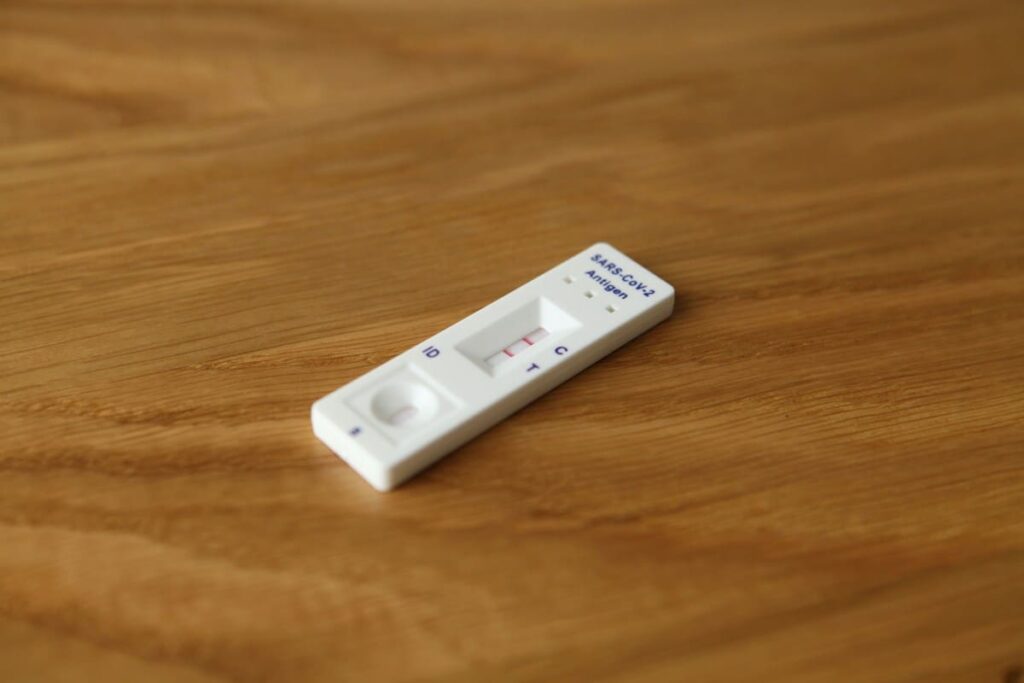
These look for antibodies, which your body makes in response to HIV. Many older rapid tests and self-tests are antibody-only, so they take the longest to turn positive.
4th-generation (antigen/antibody) tests
These look for antibodies plus p24 antigen, a part of the virus that appears earlier. They come as a lab blood test or a finger-prick rapid test. The lab version usually detects HIV sooner than the rapid version.
PCR (NAT) tests
A PCR test, also called a NAT, looks for the virus's genetic material directly. It can detect HIV earliest, but it costs more and takes longer. It is usually used in special situations, not as a routine first test.
HIV test comparison: window period, speed and price
The window periods below come from the US government's overview of HIV test types and window periods. Prices are typical ranges we found in 2026 research across Koh Samui and Thailand. They change, so message us for our current price.
HIV test types compared (typical 2026 ranges)
| Test type | What it detects | Window period | Time to result | Typical price (THB) |
|---|---|---|---|---|
| Rapid antibody | Antibodies | 23–90 days | About 15–20 min | About 200–600 |
| Rapid 4th-gen (finger-prick) | Antibodies + p24 antigen | 18–90 days | About 15–30 min | About 500–1,400 |
| Lab 4th-gen (blood from a vein) | Antibodies + p24 antigen | 18–45 days | Same day to 1–2 days | About 600–1,500 |
| PCR / NAT | Virus genetic material | 10–33 days | About 1–3 days | About 2,500–6,000 |
Which HIV test is best for you?
| Test type | Best for | Keep in mind |
|---|---|---|
| Rapid antibody | Routine checks long after any risk | Slowest to detect a new infection |
| Rapid 4th-gen | Fast, convenient routine testing | A reactive result needs a lab test to confirm |
| Lab 4th-gen | Most exposure checks from about 4–6 weeks | Reliable, widely recommended |
| PCR / NAT | Early questions or special cases, as a doctor advises | Not a replacement for later confirmation tests |
A negative result is only reliable once you are past the window period for that test. A doctor will assess your situation and tell you which test fits your timing.
When should you test after a possible exposure?
Many people test too early and then worry that the result is wrong. This simple guide helps you avoid that.
- 0–3 days: Ask about PEP. A baseline test shows your status before this exposure.
- About 2–4 weeks: A PCR or lab 4th-generation test can give early information, but it is not final.
- About 4–6 weeks: A lab 4th-generation test is very informative for most people.
- About 3 months: A final test confirms your result and covers slower-reacting tests.
If you took PEP, your testing schedule is different. Our guide to HIV testing after PEP explains why.

Anonymous and confidential HIV testing on Koh Samui
Many visitors worry about privacy. You can ask for testing that keeps your details private, and your results are shared only with you.
What to expect at the visit
- A short, private chat about timing and any symptoms.
- A finger-prick or small blood sample, depending on the test.
- Your result, explained in plain language, with next steps.
The whole visit is usually short for rapid testing. Lab and PCR results take a little longer.
Simple tips before your test
- Know your dates. Write down when the possible exposure happened, so the right test can be chosen.
- No fasting needed. You can eat and drink normally before a routine HIV test.
- Mention any medicines. Tell the doctor if you are taking PEP or PrEP, as this can affect which test and timing make sense.
- Ask how results are shared. You can choose to get them in person or by private message.
Feeling anxious while waiting is completely normal. It helps to plan something calm for the time in between, and to remember that most tests come back negative.

What if a result is reactive?
A reactive rapid test is not a diagnosis. It needs a confirmatory lab test. If HIV is confirmed, modern treatment lets people live long, healthy lives. People with HIV who have an undetectable viral load on treatment do not pass HIV on through sex (U=U).
Our follow-up support service helps you with the next steps, including referral for treatment.
Is there a free HIV test in Thailand?
Thailand includes HIV testing in its public health system, and Thai nationals can often be tested free or at low cost at public hospitals. Visitors usually pay a fee, and public waiting times can be long.
On an island holiday, many people prefer a quick private test so they are not losing a day. Compare options in our STD test price guide for Koh Samui.
Testing for more than HIV
HIV is only one infection. If you had condomless sex, it is often sensible to check for syphilis, chlamydia, gonorrhoea and hepatitis at the same time. Our HIV and STI testing service can combine these.
If you keep testing after risks, PrEP could give you ongoing protection. Compare the two in our guide on how PEP compares with PrEP and condoms.
Frequently asked questions
How accurate is a rapid HIV test?
Modern rapid tests are very accurate once you are past their window period. A reactive result always needs a lab test to confirm it.
Is a 4th-generation test at 4 weeks conclusive?
It gives a very good indication, but many guidelines suggest confirming later. A doctor will tell you when your result can be treated as final.
Can a PCR test replace the 3-month test?
Usually not. PCR can detect HIV early, but doctors often still recommend a later antibody-based test to confirm.
Do I need to show my passport?
Requirements vary. Ask when you message us, and we will explain how we protect your privacy.
How much is an HIV test on Koh Samui?
Typical 2026 ranges run from a few hundred baht for a rapid test to several thousand for PCR. Message us for our current price.
Book a confidential HIV test
If you want a quick, private HIV test on Koh Samui, message a doctor privately on WhatsApp to ask which test suits your timing. If your exposure was in the last 72 hours, tell us straight away, because PEP must be started within 72 hours.