Most PEP side effects are mild and short-lived: nausea, tiredness, headaches and loose stools are the most common. They usually show up in the first few days and ease within a week or two, and many people have none at all.
This guide explains what is normal, what is rare, and which signs mean you should call a doctor the same day. It won't replace advice from your own doctor, who knows which medicines you're taking.
Why PEP can cause side effects
PEP is a 28-day course of HIV medicines, started within 72 hours of a possible exposure. Like any medicine, it can affect how you feel while your body gets used to it.
The US government's guide to PEP notes that side effects such as nausea can happen, and that in almost all cases they can be treated and aren't life-threatening. Modern PEP regimens are much easier to take than older ones.

Common, rare and urgent PEP side effects
Use this table as a rough guide. If you're unsure where a symptom fits, message your doctor.
PEP side effects: common vs rare vs urgent
| Type | Examples | What it may feel like | What to do |
|---|---|---|---|
| Common | Nausea, tiredness, headache, diarrhoea, bloating | Like a mild stomach bug or poor sleep | Keep taking PEP; try self-care; tell your doctor if it lasts |
| Less common | Vivid dreams, trouble sleeping, low mood, dizziness | Restless nights, feeling flat | Tell your doctor at your next check-in |
| Rare | Mild rash, changes in liver or kidney blood tests | Itchy spots; often found on blood tests | Contact your doctor soon; don't stop on your own |
| Urgent | Rash with fever or blisters, swollen face or lips, trouble breathing, yellow eyes | Suddenly unwell | Get medical help the same day or call 1669 |
The most important rule: don't stop PEP on your own because of side effects. Talk to a doctor first, as there's often a simple fix.
PEP side effects: rash
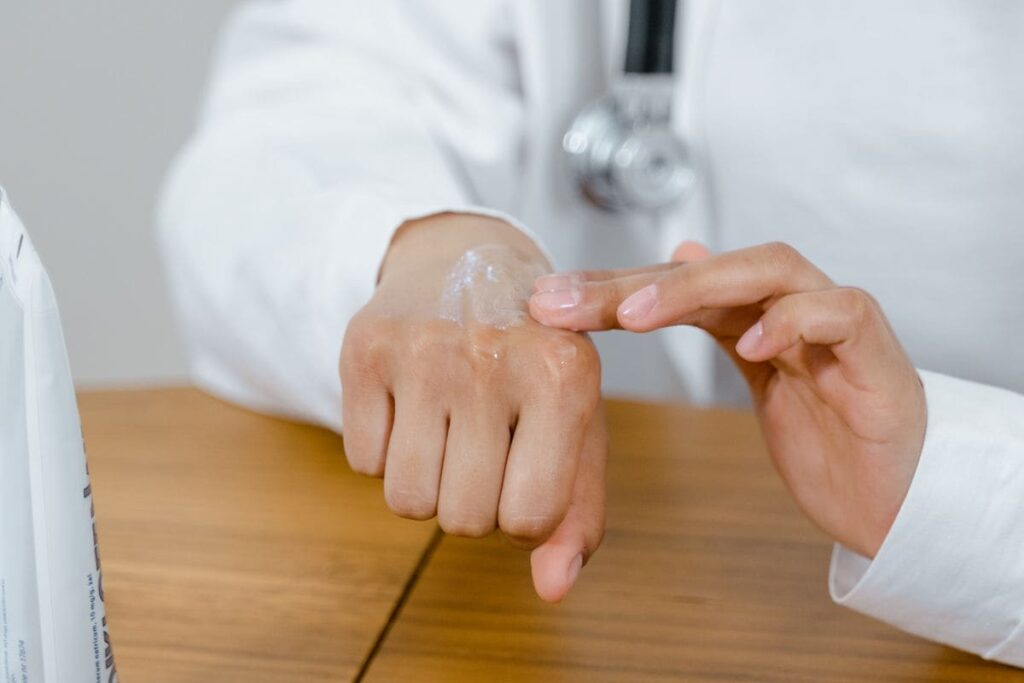
A rash worries people more than almost any other symptom. With modern PEP medicines, a rash is uncommon, and most are mild.
Contact your doctor if you get any new rash while on PEP. Seek help the same day if it comes with fever, blisters, peeling skin, mouth sores or swelling.
A rash a few weeks after the exposure, together with a flu-like illness, also needs a doctor's review. It's more likely to be something else, but your doctor may test you sooner.
PEP side effects: liver and kidneys
Serious liver problems from modern PEP are rare. Your doctor may check your liver and kidneys with a blood test at the start, and sometimes during the course.
Some PEP medicines also act on hepatitis B, which is one reason a baseline hepatitis B test can be useful. Tell your doctor if you know you have liver or kidney problems.
Liver warning signs
- Yellowing of the skin or the whites of the eyes
- Dark urine or pale stools
- Pain in the upper right side of the belly
- Ongoing vomiting or loss of appetite
If you notice any of these, get medical help promptly.
PEP side effects in women
Side effects are broadly similar for women and men. The main differences are about pregnancy, breastfeeding and contraception.
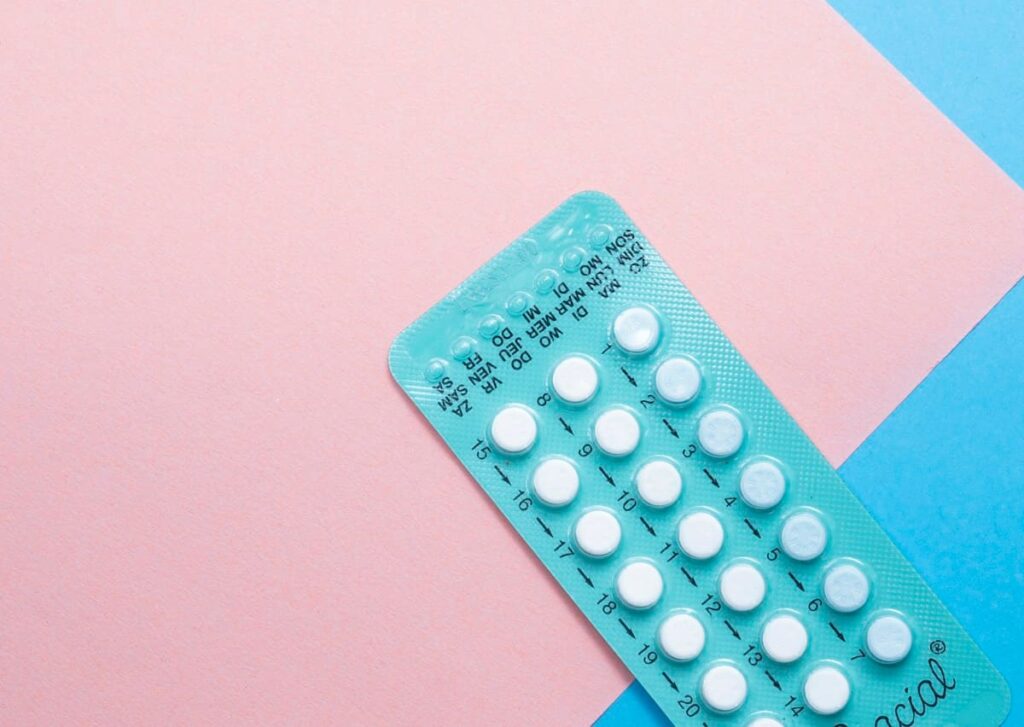
The same US government guide says PEP can be used during pregnancy and breastfeeding. Tell your doctor if you are pregnant, could be pregnant or are breastfeeding, and mention any hormonal contraception so they can check for interactions.
PEP doesn't prevent pregnancy. If a condom broke, you may also need emergency contraception — see what to do if a condom broke on Koh Samui.
Is it side effects or HIV?
Many people fear that feeling unwell on PEP means HIV. In most cases it's the medicine, or an ordinary cold or stomach bug.
The UK charity i-base explains in its PEP questions and answers that symptoms during PEP are not usually signs of HIV. Still, tell your doctor about a fever, sore throat, swollen glands or rash, so they can decide whether to test earlier.
Self-care tips to get through the course
Small changes can make a big difference, especially in the first week. Check with your doctor before adding any new medicine or supplement.
Self-care tips for PEP side effects
| Side effect | Self-care that often helps | Ask your doctor if |
|---|---|---|
| Nausea | Eat small, plain meals; sip water or ginger tea | You vomit soon after a dose |
| Tiredness | Rest, keep a regular sleep time, go easy on alcohol | It stops you working or driving safely |
| Headache | Drink water, get shade, rest your eyes | It is severe or doesn't settle |
| Diarrhoea | Drink fluids with salts; avoid spicy or greasy food | It lasts more than a few days |
| Poor sleep or vivid dreams | Avoid caffeine late; keep a calm bedtime | Your mood feels low |

Samui's heat can make tiredness and headaches feel worse. Drink plenty of water, stay out of the midday sun, and take it easy on boat trips.
For a day-by-day view of the course, read the 28-day PEP course week by week.
PEP side effects after 28 days
Once you finish, most side effects fade within a few days. If something lasts longer than about a week, or you feel unwell in the weeks after the course, see a doctor.
Your follow-up HIV tests are due at about 4–6 weeks and about 3 months. Our guide to HIV testing after PEP explains the timing.
Keep a simple symptom diary
Jot down what you feel, when it started and how strong it is. A few words in your phone's notes app is enough.
This helps your doctor spot patterns quickly, whether you speak to them during the course or at a follow-up visit. It also helps you see that most symptoms fade day by day.

Support for PEP side effects on Koh Samui
If you started PEP with us, message us about any side effect, however small. Our HIV PEP service includes advice during the course, and our follow-up support covers the weeks after.
Started PEP somewhere else? You can still ask us for help. Our guide on how to keep taking your 28-day PEP course while you travel covers continuing care across clinics.
Frequently asked questions
How long do PEP side effects last?
Most ease within one to two weeks and go within days of finishing. Tell your doctor if they don't.
Should I stop PEP if I feel sick?
No, not on your own. Message your doctor — they can often help with nausea or adjust your plan.
Is a rash on PEP dangerous?
Most are mild, but every new rash needs a doctor's check. A rash with fever, blisters or swelling needs help the same day.
Can PEP harm my liver?
Serious liver problems are rare with modern PEP. Your doctor may use blood tests to check, and you should report yellow eyes or dark urine.
Do side effects mean PEP is working?
No. Side effects don't show whether PEP is working. Only your follow-up HIV tests can confirm your result.
Worried about PEP side effects?
You don't have to guess whether a symptom is normal. And if you haven't started yet, PEP must be started within 72 hours — the sooner the better.
Message a doctor privately on WhatsApp about PEP side effects.