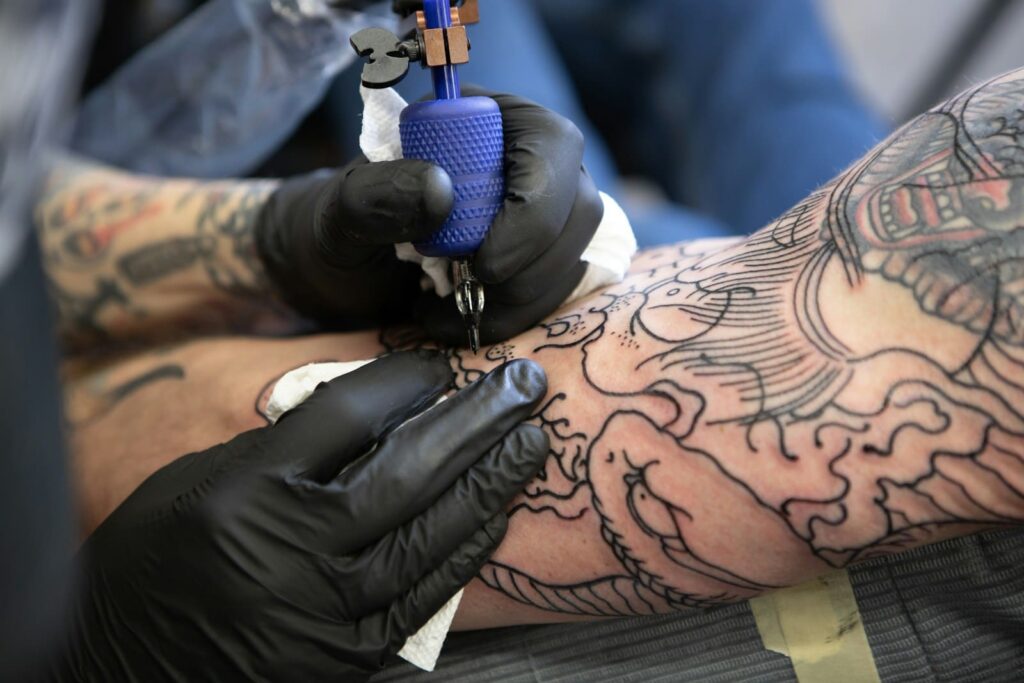
The tattoo Thailand HIV risk is very low, especially in a clean, professional studio that opens new needles in front of you. The bigger concerns with any tattoo or piercing are hepatitis B, hepatitis C and ordinary skin infections, and all of them are largely preventable.
This guide explains how the risks compare, how to spot a safe studio, and what to do if you're worried a needle or ink wasn't clean. It's meant to help you enjoy your new ink, not to put you off.
How the risks really compare
Any procedure that breaks the skin can, in theory, pass on blood-borne viruses if equipment is reused. In practice, reports of HIV passed on through tattooing are extremely rare worldwide.
Hepatitis B and C spread through blood more easily than HIV, so unsterile equipment is a bigger risk for them. The WHO fact sheet on hepatitis C explains that it is a bloodborne virus, spread mainly through unsafe injections, shared needles and unsterile procedures. Unsterilised tattoo or piercing equipment carries the same kind of risk.
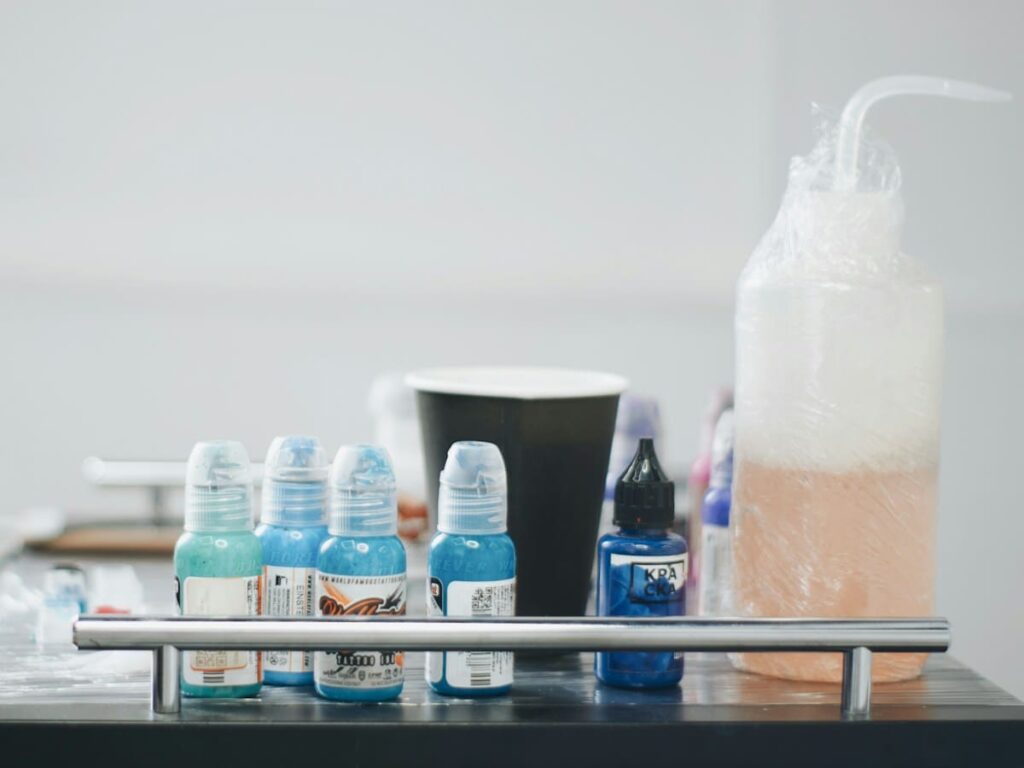
Infection risks from tattoos and piercings compared
| Infection | How likely with unsterile equipment | Prevention | When to test |
|---|---|---|---|
| Skin infection | The most common problem | Clean studio, good aftercare | See a doctor if redness spreads, pus or fever |
| Hepatitis B | Possible; spreads easily through blood | Vaccine; new needles | About 6 weeks and 3 months, as advised |
| Hepatitis C | Possible; no vaccine | New needles, fresh ink, gloves | About 6 weeks and 3 months, sometimes 6 months |
| HIV | Very low | New needles; PEP if a real exposure | About 4–6 weeks and 3 months |
If you've had the hepatitis B vaccine, you're very likely protected against hepatitis B. Check your vaccine records before you travel.
Bamboo tattoos and sak yant
Traditional bamboo tattoos and sak yant are a meaningful part of Thai culture, and many travellers want one. The technique isn't the problem; hygiene is.
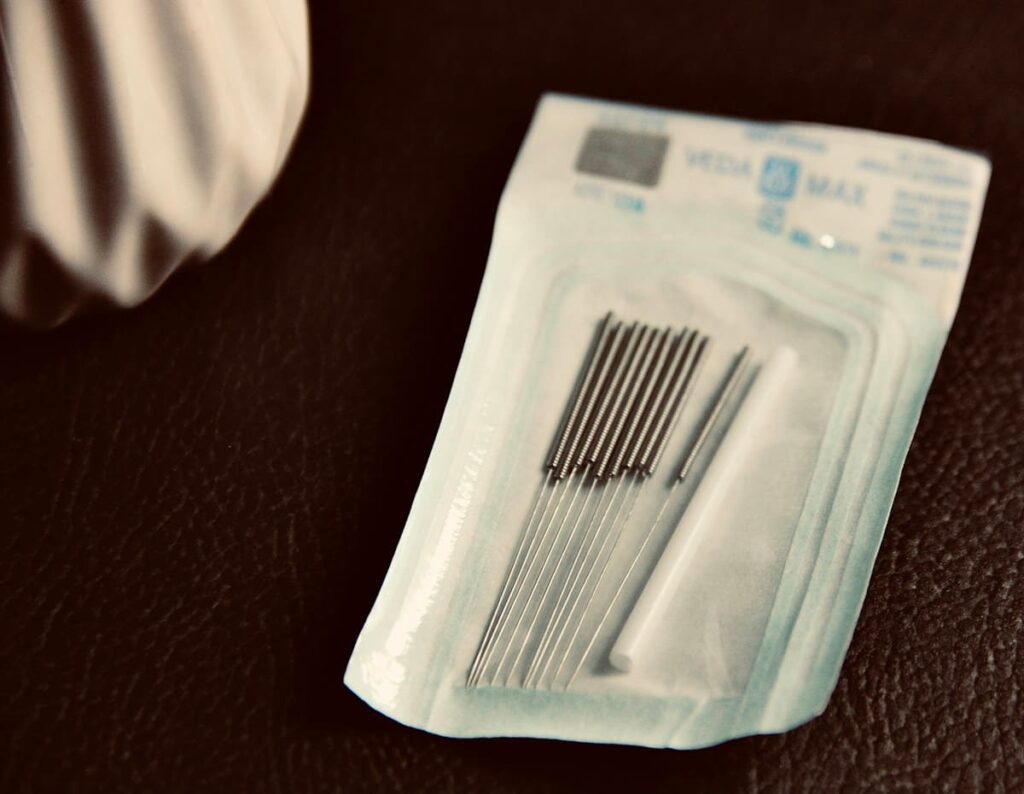
The key questions are the same as for a machine tattoo. Are the needles new and opened in front of you? Is the ink poured fresh into a single-use cap for you alone? Are fresh gloves used?
Some traditional settings reuse needles or share ink between people. If a practitioner can't confirm new needles and fresh ink, it's reasonable to walk away or choose a studio that can.
Safe studio checklist
Use this before you sit down, whether for a tattoo, a piercing or a bamboo tattoo. A good artist won't mind the questions.
Checklist for a safe tattoo or piercing studio
| Check | What good looks like | Red flag |
|---|---|---|
| Needles | Opened from sealed packs in front of you | Needles already out or unpackaged |
| Ink | Poured into a new cap just for you | Dipping into a shared bottle |
| Gloves | Fresh gloves put on for you | Same gloves between clients or tasks |
| Cleanliness | Clean surfaces, covered equipment | Visible blood, clutter, reused cloths |
| Sterilising | Autoclave or single-use tools | Vague answers about cleaning |
| Your state | Sober and well | Getting inked after a big night out |
Piercing guns that can't be sterilised are riskier than single-use needles. Ask what the studio uses.
Planning a tattoo on holiday
A little timing makes a big difference. If you plan to swim, dive or snorkel, consider getting your tattoo near the end of your trip rather than the start, so healing doesn't clash with sea days.
If you're not vaccinated against hepatitis B, talk to your doctor or a travel clinic a few weeks before you fly. The vaccine is given as a course, so it's easier to start early.
It also helps to decide on a studio while sober and rested. Many regretted tattoos, and many rushed hygiene checks, happen after a night out.
Aftercare in the island heat
Most skin infections start after the tattoo, not during it. Heat, sweat, sand and sea water all make healing harder.
Keep the area clean and follow your artist's aftercare advice. Many artists advise staying out of the sea and pools until the skin has healed, and keeping a fresh tattoo out of strong sun.
Signs of a skin infection
- Redness or warmth that spreads after the first couple of days
- Increasing pain or swelling
- Pus or a bad smell
- Fever or feeling unwell
See a doctor promptly if you notice any of these. Skin infections usually respond well to early treatment.
What to do after a possible unsafe needle
If you think a needle was reused or ink was shared, don't panic. The chance of infection is still low, but there are sensible steps, and some are time-sensitive.
Timeline after a possible unsafe needle
| When | What to do | Why |
|---|---|---|
| Straight away | Wash the area gently with soap and water | Basic first aid |
| Within 72 hours | See a doctor to discuss HIV PEP | PEP must be started within 72 hours — the sooner the better |
| As soon as possible | Ask about hepatitis B protection if you're not vaccinated | Vaccine or other treatment may help if given early |
| About 4–6 weeks | HIV, hepatitis B and hepatitis C tests | Early check |
| About 3 months (sometimes 6) | Repeat tests as your doctor advises | Confirms your result |
There's no PEP for hepatitis C, but it's very treatable today if found, so testing is worth it. For HIV test timing, see our guide to the HIV window period.
A doctor will assess whether PEP is right for your situation. Our page on how the PEP assessment works on Koh Samui explains what happens at that visit.

Getting checked on Koh Samui
If you had a tattoo or piercing on Koh Samui or a nearby island and you're worried, you can see us without a referral. Our HIV PEP service can assess a recent exposure, and our HIV and STI testing service includes hepatitis B and C tests.
For HIV testing options and what they show, read our guide to the HIV test on Koh Samui. If you're worried about cost, our guide to what PEP costs on Koh Samui gives typical ranges.
Heading home before your 3-month test? Our follow-up support helps you plan the rest of your tests, and our guide on how to keep taking your 28-day PEP course while you travel covers moving between islands.

Frequently asked questions
Can you get HIV from a tattoo in Thailand?
It's possible in theory with reused needles, but very rare. Hepatitis and skin infections are much more likely risks.
Is a bamboo tattoo safe?
It can be, if new needles and fresh ink are used. Ask before you start, and walk away if the answer is unclear.
Can you get hepatitis from a piercing?
Yes, if equipment isn't sterile. Choose a studio that uses single-use needles, and consider the hepatitis B vaccine.
Do I need PEP after a tattoo?
Usually not. A doctor may consider it if there's a real chance of a reused needle, and only within 72 hours.
When should I get tested after a tattoo I'm worried about?
Usually at about 4–6 weeks and again at about 3 months. Your doctor may add a later hepatitis test.
Worried about a tattoo or piercing?
Most tattoos and piercings heal without any problem. If you're unsure about a needle or ink, a quick conversation can settle your mind and, if needed, get PEP started within 72 hours — the sooner the better.
Message a doctor privately on WhatsApp about a tattoo or piercing worry.