When to get tested after unprotected sex depends on the infection: chlamydia and gonorrhoea can usually be picked up from about 2 weeks, while HIV and syphilis need a test at around 4–6 weeks and again at about 3 months. But if the sex happened in the last 72 hours, the first question isn't testing at all. It's whether you need HIV PEP.
This guide gives you a simple timeline for every common STD, so you test at the right time and don't get false reassurance from a test done too early. A doctor will always assess your own situation and may suggest a different schedule.
First: was it less than 72 hours ago?
If there's any chance of HIV exposure, PEP must be started within 72 hours — the sooner the better. No STD test can tell you straight away whether HIV was passed on, so waiting to test first wastes precious hours.
Our step-by-step plan for the first 72 hours after a condom breaks walks you through it.
Why testing too early can miss an infection
Every STD has an incubation period, the time between catching it and it showing up on a test. Test inside that window and the result can be negative even if you have the infection.
That's why the NHS advice on sexually transmitted infections says STIs can take up to 7 weeks after unprotected sex to show up on a test. If you have no symptoms, a well-timed test is far more useful than a rushed one.
Symptoms are a different story. If you notice discharge, burning when you pee, sores, a rash or pain, see a doctor now rather than waiting for the "right" date.
STD testing timeline by infection
This table shows roughly when each test becomes useful after unprotected sex. Timings vary with the test used, so treat them as a guide.
When each STD test becomes reliable (typical timings)
| Infection | Earliest useful test | Retest or confirm at | Sample |
|---|---|---|---|
| Chlamydia | About 2 weeks | If exposed again, or as advised | Urine or swab |
| Gonorrhoea | About 1–2 weeks | If exposed again, or as advised | Urine or swab |
| Trichomoniasis | About 1–4 weeks | As advised | Urine or swab |
| HIV (lab 4th-generation test) | About 4–6 weeks | About 3 months | Blood |
| Syphilis | About 4–6 weeks | About 3 months | Blood |
| Hepatitis B | About 6 weeks | About 3 months | Blood |
| Hepatitis C | About 6–8 weeks | About 3 months or later | Blood |
| Herpes | Only when sores appear | Swab of the sore | Swab |
For the science behind HIV timing, see our guide to the HIV window period and when an HIV test is conclusive. For the two most common bacterial infections, read about chlamydia and gonorrhoea testing on Koh Samui.
Test at the right site
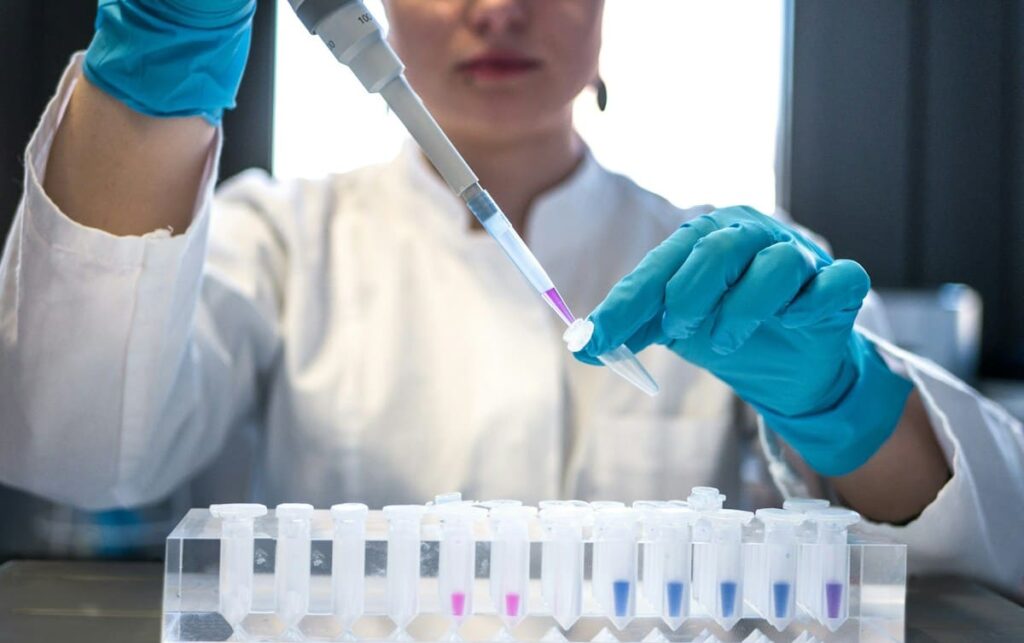
Chlamydia and gonorrhoea can live in the throat or rectum, not just the genitals. A urine test alone can miss them if you had oral or anal sex.
Tell the doctor or nurse what kind of sex you had. It can feel awkward, but it decides which swabs you need, and nobody will judge you.
Does oral sex count?
Yes. Oral sex carries a very low HIV risk, but gonorrhoea, chlamydia, syphilis and herpes can all pass this way. A throat swab is often the only way to pick up an infection there, because throat infections rarely cause symptoms.
What to do now, in 2 weeks and in 3 months
Most people find it easier to follow a plan than to remember a list of window periods. Here is a simple one after a single episode of unprotected sex.
Your STD testing plan after unprotected sex
| When | What to do | Why |
|---|---|---|
| Within 72 hours | Ask a doctor about HIV PEP; consider emergency contraception | PEP only works if started early |
| Now, if you have symptoms | See a doctor for testing and treatment | Symptoms shouldn't wait for a window |
| About 2 weeks | Test for chlamydia and gonorrhoea (all sites) | Bacterial infections show up early |
| About 4–6 weeks | HIV and syphilis blood tests | Most infections detectable by now |
| About 3 months | Repeat HIV and syphilis; hepatitis if advised | Confirms a negative result |
If you started PEP, your HIV testing follows a separate schedule. Our guide to HIV testing after PEP explains why.

Can I get tested the day after?
You can, but a test the next day can't show an infection from that encounter. It only shows infections you already had before.
A baseline test can still be useful. If you start PEP, you'll need a baseline HIV test anyway, and some people like to know their starting point for other infections too.
If you're only on the island for a few days, a doctor can also help you plan which tests to do here and which to leave for home. That way nothing important is missed when your trip ends.
Waiting is the hard part
Many people say the weeks of waiting feel worse than the test itself. It's common to search symptoms late at night and convince yourself something is wrong.
Try to focus on what you can control. Book your test dates in your phone, use condoms until your results are back, and talk to a doctor if the worry is taking over.
Should partners be tested too?
If you test positive for any STD, recent partners may need testing and treatment. Your doctor can help you work out who to tell and how, including anonymous options.
STD test after a hookup on Koh Samui
If you had a hookup on Koh Samui, you can get tested on the island without a referral. Our HIV and STI testing service covers HIV, syphilis, chlamydia, gonorrhoea and hepatitis, with swabs from the right sites.
Prices vary between clinics and change over time. Our overview of typical STD test prices on Koh Samui gives market ranges; message us for our current price.
Leaving the island before your 3-month test? That's fine. Our follow-up support can help you plan the rest of your tests back home. For syphilis signs and stages, read our guide to the syphilis test on Koh Samui.

Frequently asked questions
How soon can an STD show up on a test?
Chlamydia and gonorrhoea can often be detected from about 1–2 weeks. HIV, syphilis and hepatitis usually need at least 4–6 weeks, with a repeat at about 3 months.
Is one test enough after unprotected sex?
Often not. An early test catches fast infections, and a test at about 3 months confirms HIV and syphilis results.
Should I get tested if I have no symptoms?
Yes. Many STDs, including chlamydia, gonorrhoea and early HIV, often cause no symptoms at all.
Does PEP protect against other STDs?
No. PEP only lowers the chance of HIV. You still need STD tests at the right times.
Can I test on Koh Samui and finish my follow-up at home?
Yes. Many travellers do their first tests here and later tests at home. Keep copies of your results.
Need an STD test or PEP on Koh Samui?
If the sex was in the last 72 hours, don't wait for a test date: PEP must be started within 72 hours — the sooner the better. If it was longer ago, we can help you choose the right tests at the right time.
Message a doctor privately on WhatsApp about STD testing after unprotected sex.