PEP after 72 hours is not usually recommended, because studies and guidelines show it is unlikely to work once three days have passed. But it is not too late to do something useful: the next steps are the right HIV tests at the right times, and a plan to protect yourself in future.
If you are still inside the 72 hours, stop reading and message a doctor now. PEP must be started within 72 hours, and the sooner the better.
Why the 72-hour limit exists
PEP works by stopping HIV before it can settle in the body. After a possible exposure, the virus needs a little time to establish infection, and PEP has to start in that short window.
The HIV treatment group i-base states plainly in its PEP questions and answers that PEP will not work after 72 hours. Guidelines around the world use the same limit. That is also why every hour inside the window matters, as explained in our step-by-step plan for the first 72 hours after a condom breaks.
"I only missed it by a few hours"
This is one of the most common worries people post online. It is still worth contacting a doctor, who will assess your situation and explain your options honestly. Please do not try to get medicines without medical advice.
Where am I? Your next step by time since exposure
Use this table to find where you are. A doctor can adjust the plan for you.
What to do based on time since exposure
| Time since exposure | Can PEP help? | What to do now |
|---|---|---|
| Under 72 hours | Yes, if a doctor recommends it | Message a doctor today and start PEP as early as possible |
| 72 hours to about 4 weeks | Not usually recommended | Get a baseline test now if advised, then plan tests at about 4–6 weeks and about 3 months |
| After about 4 weeks | No | Test now with a lab 4th-generation test and repeat at about 3 months if the doctor advises |
The key idea: missing PEP changes how you protect yourself, not whether you can find out your status. Testing will give you a clear answer.
Your testing plan if you did not take PEP
HIV tests have a window period, the time before an infection shows up. Testing too early can give false reassurance, so timing matters.
A typical schedule
- Soon after the exposure (optional): a baseline test shows your status before this event. It cannot show a new infection yet.
- About 4–6 weeks: a lab 4th-generation blood test detects most new infections by this point.
- About 3 months: a final test confirms your result, as the doctor advises.
Our guide to HIV tests on Koh Samui explains rapid, 4th-generation and PCR tests and their window periods. You can book them through our HIV and STI testing service.
Test for other STIs too
If the exposure was sex without a condom, other infections are possible. Chlamydia and gonorrhoea are usually checked after about two weeks, and syphilis by blood test. Our STD test price guide for Koh Samui shows typical options.
"Is this a symptom?" Dealing with the waiting
Waiting weeks for a reliable result is hard. Many people start noticing every sore throat, rash or tired day.
What symptoms can and cannot tell you
Some people get a flu-like illness two to six weeks after catching HIV, with fever, rash or sore throat. But many people have no symptoms, and the same symptoms are very common with colds, heat, poor sleep or stress.
That means symptoms cannot confirm or rule out HIV. Only a test can. If you feel unwell, tell a doctor, who may suggest testing sooner.
Looking after yourself meanwhile
- Use condoms or avoid sex until your final result, to protect partners.
- Limit late-night searching. Forums are full of worst-case stories that do not reflect most people's experience.
- Talk to someone. Our follow-up support service can answer questions while you wait.
If a test is positive
Knowing early is a real benefit. HIV treatment can start quickly, and people on effective treatment live long, healthy lives. UNAIDS explains in its answers to common questions about HIV that people with HIV who have an undetectable viral load on treatment do not pass HIV on through sex (U=U).
Protecting yourself from now on
Missing the window is a common experience, not a personal failure. What matters now is making next time easier.
PEP vs testing vs PrEP going forward
| Option | When it is used | What it does | Good for |
|---|---|---|---|
| PEP | Within 72 hours after a possible exposure | Emergency 28-day course to lower HIV risk | One-off accidents, such as a condom breaking |
| HIV testing | Regularly, and after any risk | Finds out your status | Everyone who is sexually active |
| PrEP | Before and during periods of possible exposure | Ongoing HIV prevention when taken as prescribed | People with ongoing or repeated risk |
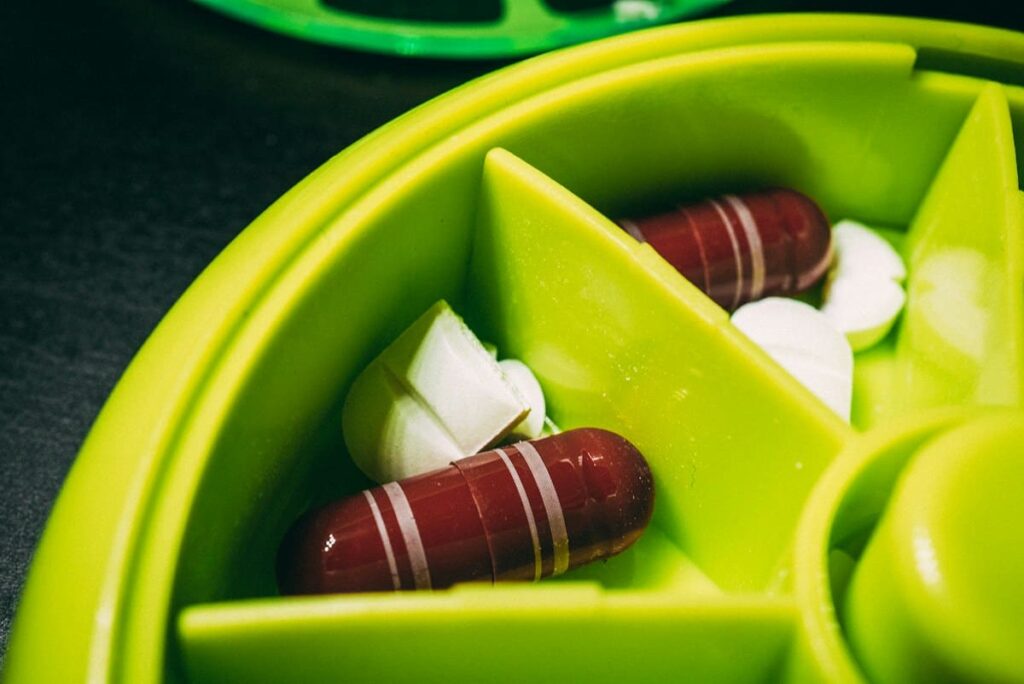
Before starting PrEP, a doctor will want a recent negative HIV test, and may repeat it after a recent exposure. Read about how PEP compares with PrEP and condoms, or see our HIV PrEP service on Koh Samui.
If you are on Koh Samui
On an island, the 72 hours can slip away because of ferries, closed clinics or simply not knowing where to go. Save a doctor's contact in your phone now, so next time you can message within hours.
A simple plan for next time
- Save the number. Keep a clinic's WhatsApp contact in your phone before you go out.
- Message first, travel second. A quick message confirms timing before you cross the island or catch a boat.
- Note the time. Write down when a risk happened, so the doctor can work out your window straight away.
- Carry condoms. Keep them with you, and consider PrEP if condomless sex is likely.

If you are travelling onwards, you can test on Samui now and repeat later at home. Our guide on how to keep taking your 28-day PEP course while you travel covers staying safe as you move around.
Frequently asked questions
Can I take PEP 4 days after exposure?
PEP is not usually recommended after 72 hours, because it is unlikely to work. Speak to a doctor anyway about testing and next steps.
Is it too late to do anything?
No. You can plan reliable HIV testing, check for other STIs and put protection such as PrEP in place for the future.
When will my HIV test be accurate?
A lab 4th-generation test at about 4–6 weeks detects most infections, and a test at about 3 months confirms it. A doctor will confirm your schedule.
Should I tell my partner?
It is your choice. Using condoms until your final result protects them, and a doctor can help you decide what to say.
Does missing PEP mean I have HIV?
No. Most single exposures do not lead to HIV. Testing is how you will know for sure.
Talk to a doctor about your next steps
Whether you are at hour 70 or week three, a short conversation can give you a clear plan. Message a doctor privately on WhatsApp to ask about PEP timing, HIV testing or PrEP, without judgement.