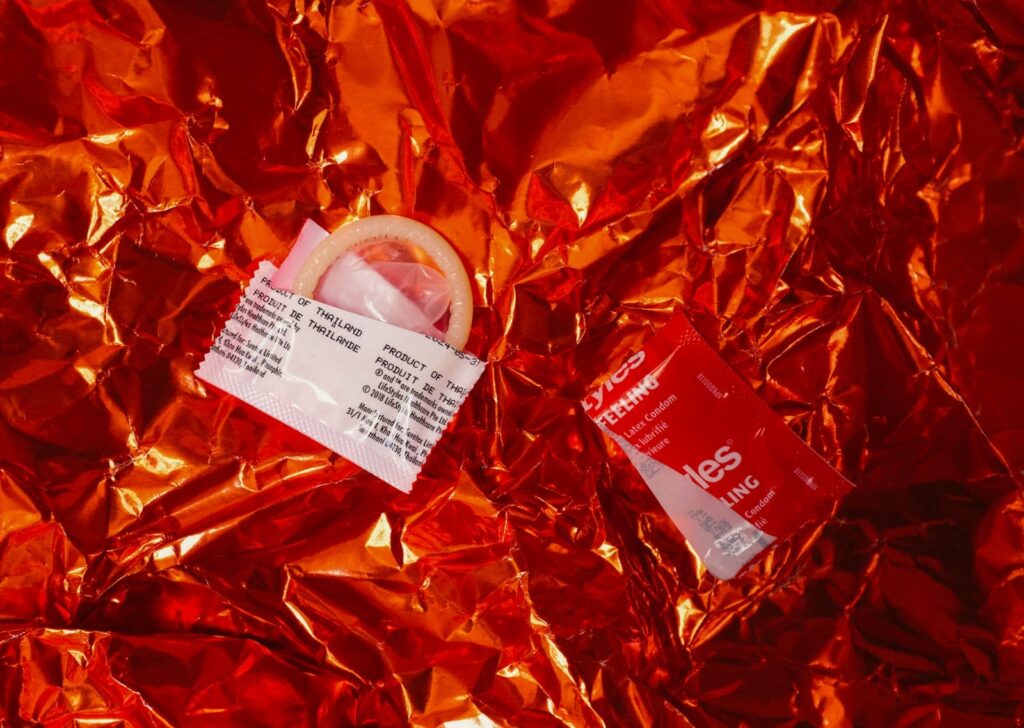
If a condom broke on Koh Samui, the most important thing is time: HIV PEP must be started within 72 hours, and the sooner the better. Message a doctor now, even if you are not sure the risk is high, so they can assess your situation today.
This guide gives you a calm plan for the first hour, the first three days and the weeks after.
First, take a breath: what happens now
A condom breaking or slipping off is common, and it does not mean you have caught anything. Most single exposures do not lead to HIV. But because PEP only works if it starts early, it is worth acting quickly rather than waiting to see.
Do these things in the first hour
- Stop and check. If the condom split or came off, stop sex and remove it.
- Wash gently. Use water and mild soap on the outside of the genitals. Do not douche, scrub or use strong products, as irritation does not help.
- Note the time. Write down roughly when it happened. The doctor will ask, and it decides whether PEP is still possible.
- Message a doctor. Explain what happened in a few lines. You do not need to know medical words.
Things that do not help
Peeing straight after sex, washing inside the body, or taking leftover antibiotics will not prevent HIV. Neither will "waiting for symptoms". Early HIV often has no symptoms at all, and an HIV test the next morning cannot show an infection from last night.
Your action timeline: now to 3 months
This is the general path most people follow after a condom breaks. A doctor will assess your situation and may adjust the timings for you.
Condom broke action timeline (typical)
| When | What to do | Why it matters |
|---|---|---|
| Now (first hours) | Contact a doctor, wash gently, note the time | PEP works best the earlier it starts |
| Within 72 hours | Start HIV PEP if the doctor recommends it, after a baseline HIV test | PEP is not recommended after 72 hours |
| Within 3–5 days | Emergency contraception if pregnancy is possible | Time limits depend on the method |
| About 2 weeks | STI testing for chlamydia and gonorrhoea | Many STIs need time to show on a test |
| About 4–6 weeks | Follow-up HIV test | Checks your status after exposure or PEP |
| About 3 months | Final HIV and syphilis check | Confirms the result; the doctor sets the exact schedule |
For the medical side of the first 72 hours, see how HIV PEP works on Koh Samui. This page focuses on the condom-break situation itself.
PEP, emergency contraception and STI testing: which do you need?
After a condom break, three different things may be relevant. They protect against different risks and have different deadlines, so it helps to see them side by side.
PEP vs emergency contraception vs STI testing
| Option | Protects against | Time limit | Where to get it |
|---|---|---|---|
| HIV PEP | HIV | Start within 72 hours, ideally within hours | Clinic or hospital, after a doctor's assessment |
| Emergency contraception | Pregnancy | Pills within 3–5 days depending on type; a copper IUD within 5 days | Pharmacy (pills) or clinic (IUD) |
| STI testing | Finds chlamydia, gonorrhoea, syphilis and others so they can be treated | Test after about 2 weeks, repeat blood tests later | Sexual health clinic or hospital |
The NHS explains the time limits for different types of emergency contraception in plain language. If pregnancy is possible, sort this out on the same day as your PEP question, as both work better sooner.
What HIV PEP involves
PEP is a 28-day course of HIV medicines taken every day. According to the CDC's overview of HIV PEP, it must be started within 72 hours of a possible exposure and is meant for emergencies, such as a condom breaking.
Before you start, the doctor will do a baseline HIV test. This shows your status before the exposure, not whether the condom break caused an infection. You will then need follow-up HIV testing at around 4–6 weeks and around 3 months.
Our HIV PEP service on Koh Samui explains what the appointment looks like. If you want to know what the month ahead feels like, read about the 28-day PEP course week by week.
How risky was it? Questions the doctor will ask
You do not need to decide alone whether you "need" PEP. A doctor will talk it through with you, usually asking a few simple questions.
- What kind of sex was it? Receptive anal sex carries the highest HIV risk, then vaginal sex. Oral sex is much lower.
- When did it happen? This decides whether PEP is still an option.
- Do you know your partner's HIV status? If they are HIV negative and recently tested, the risk may be very low.
- Is your partner on HIV treatment? People with HIV who have an undetectable viral load on treatment do not pass HIV on through sex (U=U).
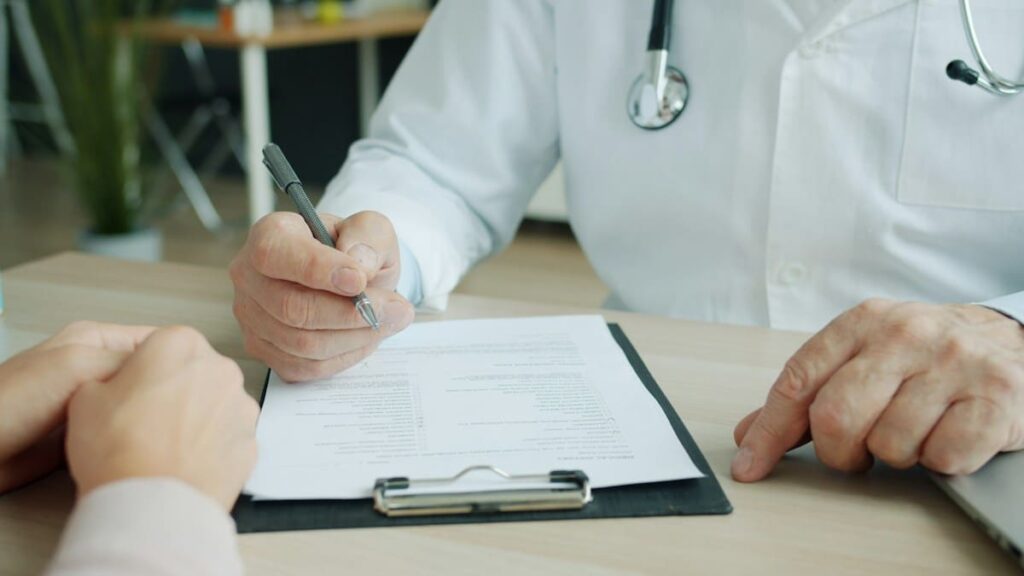
It is fine not to know your partner's status. That is exactly the situation PEP exists for.
If a condom broke on Koh Samui: local tips
Being on an island adds a few practical problems. Planning ahead saves precious hours.
Getting to help quickly
- Message before you travel. Send a short WhatsApp message first so the doctor can check timing and tell you what to bring.
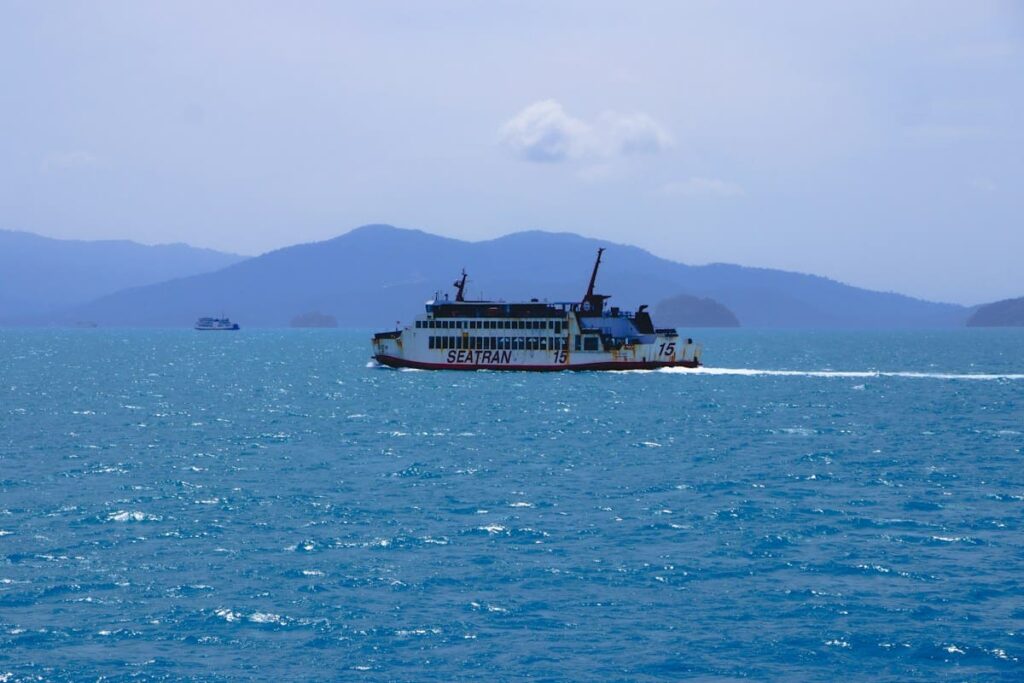
- Allow for ferries. If you are on Koh Phangan or Koh Tao, check boat times now. Our page on needing PEP after the Full Moon Party covers island hopping in more detail.
- Avoid riding while panicked. If you rent a scooter, take a taxi instead if you are upset or have been drinking.
- Bring your passport and phone. A list of any medicines you take also helps the doctor check for interactions.
Leaving the island soon?
You can start PEP on Samui and finish the 28 days at home. Our guide on how to keep taking your 28-day PEP course while you travel explains how to carry your medicines and arrange follow-up with your own doctor.
Worried about cost?
Price should never stop you from asking. See our PEP cost guide for Koh Samui for typical market ranges, and message us for our current price.
After the first 72 hours
Once PEP has started, or the doctor has advised you do not need it, the focus moves to testing and peace of mind.
Book an STI check about two weeks after the condom break, and keep your follow-up HIV tests. Our HIV and STI testing service can cover these on the island, and follow-up support helps if you have questions during the course.
If condom breaks or condomless sex happen often, ask about PrEP. Our explainer on how PEP compares with PrEP and condoms sets out the difference.
Frequently asked questions
Is a condom breaking really an HIV risk?
It can be, if your partner has HIV and is not on effective treatment. Many single exposures do not lead to HIV, but PEP lowers the risk further when started early. A doctor will assess your situation.
Can I still get PEP if it happened two days ago?
Yes, PEP can be started up to 72 hours after exposure. The earlier it starts, the better it is likely to work, so do not wait until the last day.
Should I get tested for HIV tomorrow?
A baseline test is useful before PEP, but it cannot show an infection from a condom break a day ago. That is why follow-up tests at around 4–6 weeks and 3 months matter.
Do I need both PEP and the morning-after pill?
They do different jobs. PEP is for HIV, and emergency contraception is for pregnancy. If both risks apply, you may need both.
Will my partner find out?
No. Your visit is confidential. Telling a partner is your choice, and a doctor can help you plan how to raise it if you want to.
Talk to a doctor today
If a condom broke on Koh Samui, the most helpful step is to talk to a doctor while PEP is still an option. PEP must be started within 72 hours, and the sooner the better. You can message a doctor privately on WhatsApp to explain what happened and get clear next steps, with no judgement.